Recurring mold, water-damaged materials, dark growth on walls, or a persistent musty odor require more than surface cleaning. SporeGuard Remediation provides professional mold remediation for residential and commercial properties in Inwood, NY 11096.
Our remediation process focuses on the affected area, building materials, extent of the mold problem, and moisture conditions connected to the growth. The work is designed to address the affected materials and the conditions contributing to the problem.
Mold growth often follows plumbing leaks, roof leaks, flooding, condensation, or prolonged dampness. Once moisture reaches building materials, the required remediation depends on where the growth developed and how the affected materials are situated within the property.
Inwood properties range from apartments and residential homes to commercial buildings. A basement, attic, bathroom, wall cavity, or occupied commercial space each presents different access and work-area requirements.
The remediation approach is established around the property itself, including the affected location, materials involved, extent of growth, and conditions identified during the evaluation.
Mold location affects the materials involved, access to the area, and the remediation work required. Our service covers common residential and commercial mold problem areas throughout Inwood.
Basement Mold
Basements often contain drywall, wood framing, insulation, flooring, and other materials exposed to damp conditions. Mold in these areas requires attention to both the affected materials and the surrounding moisture conditions.
Attic mold affects areas such as roof framing, sheathing, insulation, and surrounding materials. Roof leaks and condensation are common moisture sources that require attention during the remediation process.
Bathrooms have recurring exposure to shower moisture, plumbing leaks, condensation, and water around fixtures. Mold can affect drywall, cabinetry, grout, tile, and other nearby surfaces.
Kitchen mold often develops around sinks, plumbing connections, cabinets, walls, ceilings, and other areas exposed to water or persistent humidity. The affected materials determine the required cleanup approach.
Crawl spaces contain enclosed framing and insulation where moisture can remain unnoticed. Limited access adds another consideration when inspecting and remediating affected materials.
A persistent musty odor with no visible source deserves investigation, especially after water damage or prolonged dampness. The focus is locating the moisture or concealed material associated with the odor.
Real remediation results from residential properties in Inwood, NY and nearby communities. Each project follows the same process — evaluate the affected area, address the contaminated materials, and correct the moisture source.
Three situations show up repeatedly in mold remediation projects. Each one points to a different problem and requires a different response.
Recurring Mold Growth
When mold returns after previous cleaning, the original moisture source is still active. Either the affected materials were not fully addressed, or a leak, condensation problem, or humidity issue was never corrected. Remediation starts by identifying what caused the return — not by cleaning the same surface again.
Mold After Water Damage
Mold develops within 24 to 48 hours of water exposure. When wet materials are not dried quickly, moisture penetrates deeper into drywall, insulation, and framing. The visible mold is often only part of the problem — hidden moisture inside walls or under flooring requires evaluation before the remediation scope is set.
Black Mold Growth
Dark or black-colored growth does not automatically mean toxic black mold. Several species share similar appearances, and visual identification is not reliable. Remediation decisions are based on the affected materials, extent of contamination, and the moisture conditions at the property.
A clear view of how a typical mold remediation project runs — from the first phone call to the final walkthrough.
Clear Communication From Start to Finish
Remediation projects involve containment, equipment, and coordination inside an occupied home or business. You should know what is happening, why it is happening, and what comes next.
SporeGuard Remediation walks you through each phase before work begins. No surprises, no confusion — a defined plan with a defined endpoint.
Phase 1
Before Work Begins
Phone consultation to understand the problem and property
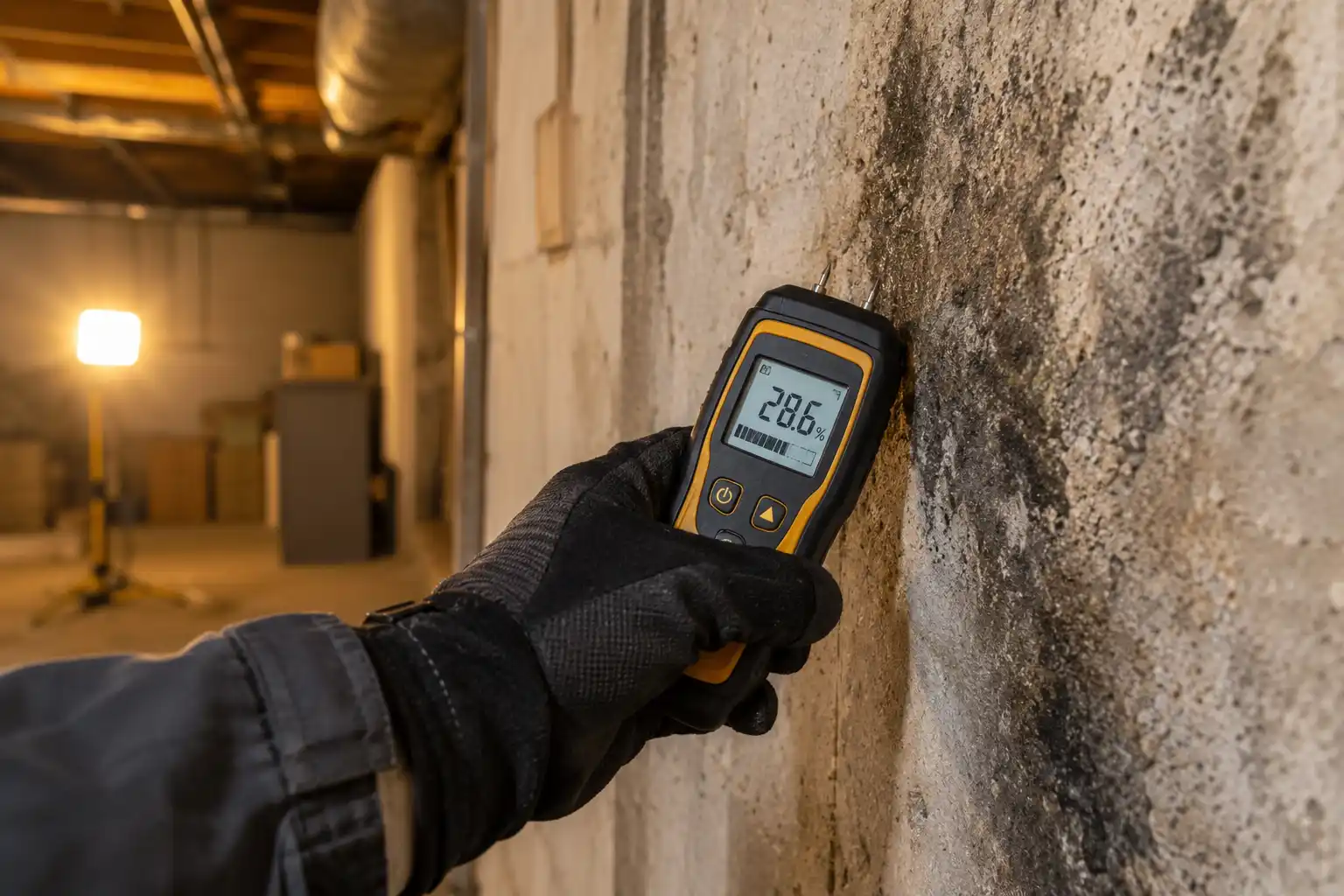
On-site evaluation with moisture measurements and visual inspection
Written scope covering affected materials, containment approach, and timeline
Schedule and access confirmed with you — including pets, parking, and household routines
Phase 2
During the Work
Containment set up around the affected area — plastic barriers and zippered access
HEPA air scrubbers and negative air pressure running through the project
Equipment noise from air movers, dehumidifiers, and HEPA vacuums
Daily progress updates and a direct point of contact for questions
Phase 3
After Cleanup
Containment removed and work area cleaned of all debris
Moisture readings taken to confirm affected materials are dry
Post-remediation verification based on the project scope
Final walkthrough with you — and guidance on preventing recurrence
Professional Standards & Remediation Practices
Professional mold remediation involves documented procedures for inspection, remediation methods, worker safety, containment, material handling, cleaning, documentation, and post-remediation verification.
The ANSI/IICRC S520 Standard for Professional Mold Remediation is a recognized professional standard covering mold remediation in residential, commercial, and institutional buildings. The current edition listed by IICRC is the 2024 Fourth Edition.
The S520 addresses 10 core areas:
Mold remediation principles
Mold cleaners and antimicrobial products
Building and material science
Remediator qualifications
Safety and health
Documentation and risk management
Structural remediation
HVAC remediation
Contents remediation
Post-remediation verification
The standard provides professional remediation procedures and principles. Its existence does not establish that every contractor or project follows every provision of the standard.
Mold Assessment, Testing & Remediation
Mold assessment and mold remediation are separate functions.
An assessment evaluates the property and establishes the scope of remediation. Remediation then addresses the affected property according to that scope.
Sampling is one part of mold assessment when there is a specific reason to collect samples. Depending on the situation, sampling can involve air, surface, or other laboratory-based analysis. Visible mold does not automatically make laboratory testing necessary.
An assessment evaluates the property, identifies conditions associated with mold, and defines the scope of remediation. Sampling — air, surface, or laboratory-based — is included when the situation calls for it.
Mold Remediation
Remediation addresses the affected property according to the scope established during assessment. Cleaning, removal, containment, and drying methods are matched to the conditions found on-site.
The program establishes licensing requirements and minimum work standards for covered mold-related work. Requirements include provisions concerning 8 key areas:
Mold assessment
Mold remediation plans
Work practices
Containment
Personal protective equipment
Cleaning and disinfectant practices
Separation of assessment and remediation roles
Post-remediation assessment
For covered projects, New York requires the mold assessment and remediation functions to remain separate. The same licensee cannot perform both on the same project.
Mold Remediation Around Inwood, NY 11096
SporeGuard Remediation serves residential and commercial properties throughout Inwood, NY 11096, including areas around Burnside Avenue, Doughty Boulevard, and Sheridan Boulevard.
Mold remediation requirements depend on the property itself: the location of the affected materials, the extent of growth, access to the area, and the conditions that contributed to the problem.
Do I need mold remediation if I can already see the mold?
Visible mold identifies an affected area, but the required response is based on the location, materials, extent of growth, and surrounding conditions. Cleaning is appropriate for some situations, while other conditions require material removal and a broader remediation process.
Does mold remediation always require removing drywall?
No. Cleanable materials receive appropriate cleaning. Materials with significant moisture damage or contamination that cannot be effectively cleaned require removal.
Does mold remediation require mold testing?
Not every mold situation requires sampling. Assessment includes visual inspection and moisture evaluation. Sampling is used when there is a specific reason to collect additional information.
How long does mold remediation take?
The timeline is based on the size and complexity of the affected area, materials involved, accessibility, containment requirements, moisture conditions, and the amount of cleaning or removal required.
Can mold return after remediation?
Mold returns when moisture conditions supporting the original growth remain present. Addressing the moisture condition is an important part of preventing recurrence.
Can insurance cover mold remediation?
Insurance coverage is based on the policy and the cause of the mold or water damage. Your insurance provider determines whether the specific loss is covered and what documentation is required.
What should I do before calling about mold remediation?
Avoid disturbing the affected material unnecessarily. If an active leak or water source exists, address it safely when possible. When calling, provide the location of the mold, any known water damage, how long the problem has been present, and whether previous cleaning has been attempted.
Need Mold Remediation in Inwood?
Recurring mold, water-damaged materials, visible growth, or a suspected moisture-related mold problem requires a response based on the actual condition of the property.
SporeGuard Remediation provides mold remediation for residential and commercial properties in Inwood, NY 11096 and nearby communities.
Call +1 (516) 397-0974 to discuss the problem and determine the appropriate next step.